One year later: Insights into current developments
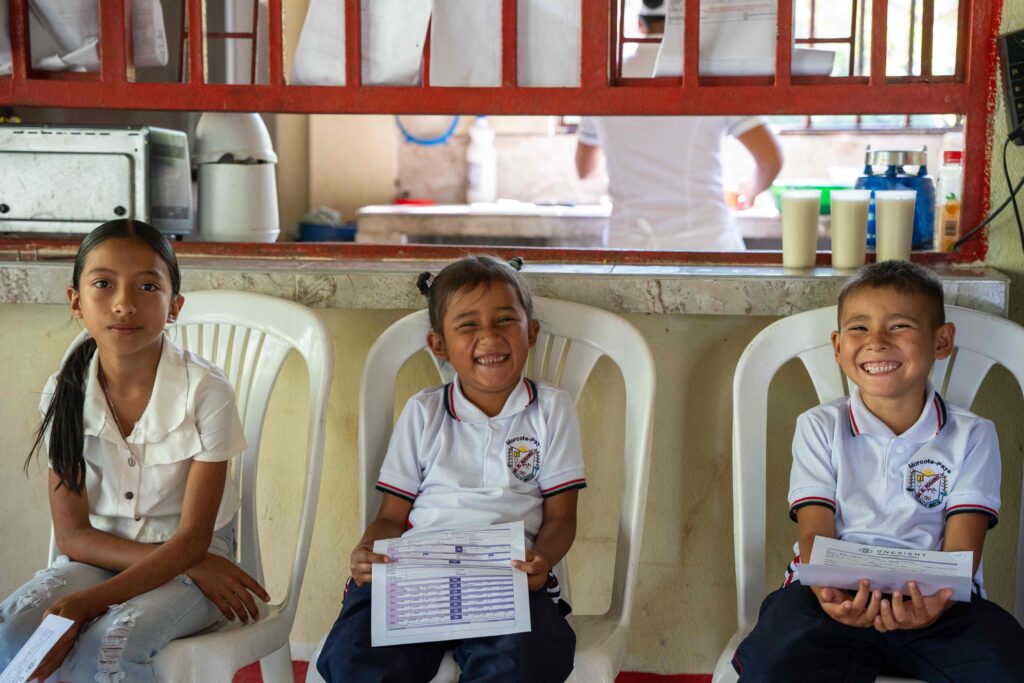
In February 2026, we returned to Colombia and visited the communities of Milagros, La Unión, and Morcote in the Paya region. Our projects in these communities have grown to become some of the largest we support. Over the past years, together with the local communities, we have been able to implement several initiatives, including workshops such as “Salud a la Escuela”, the “Niñas Sabias” program, the development of a volunteer program, and the funding of essential school materials.
This year, we were able to build on that progress: existing projects were further developed, new ideas were shaped together with the communities, and initial steps toward additional initiatives were taken.
What we were able to achieve this year
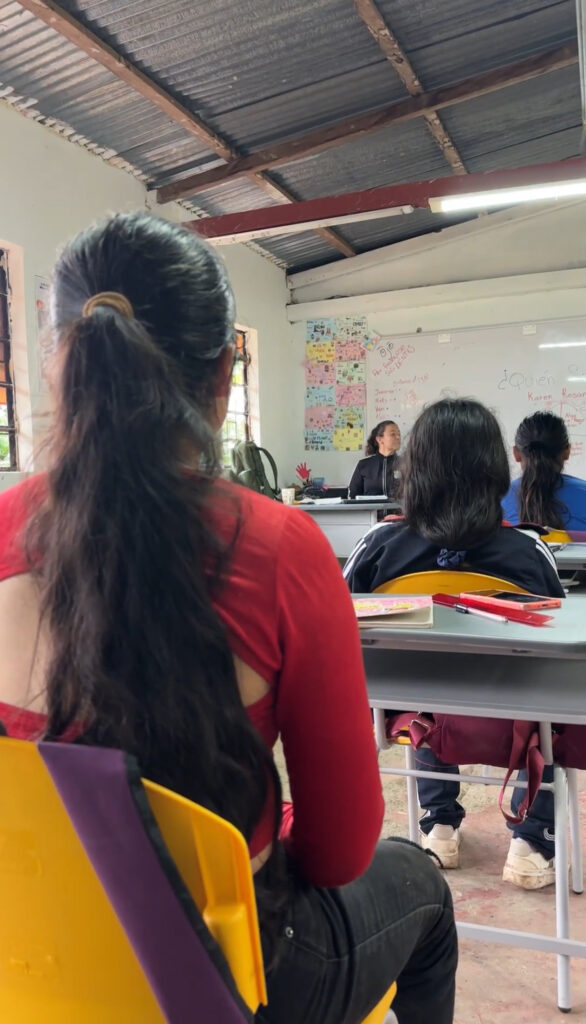
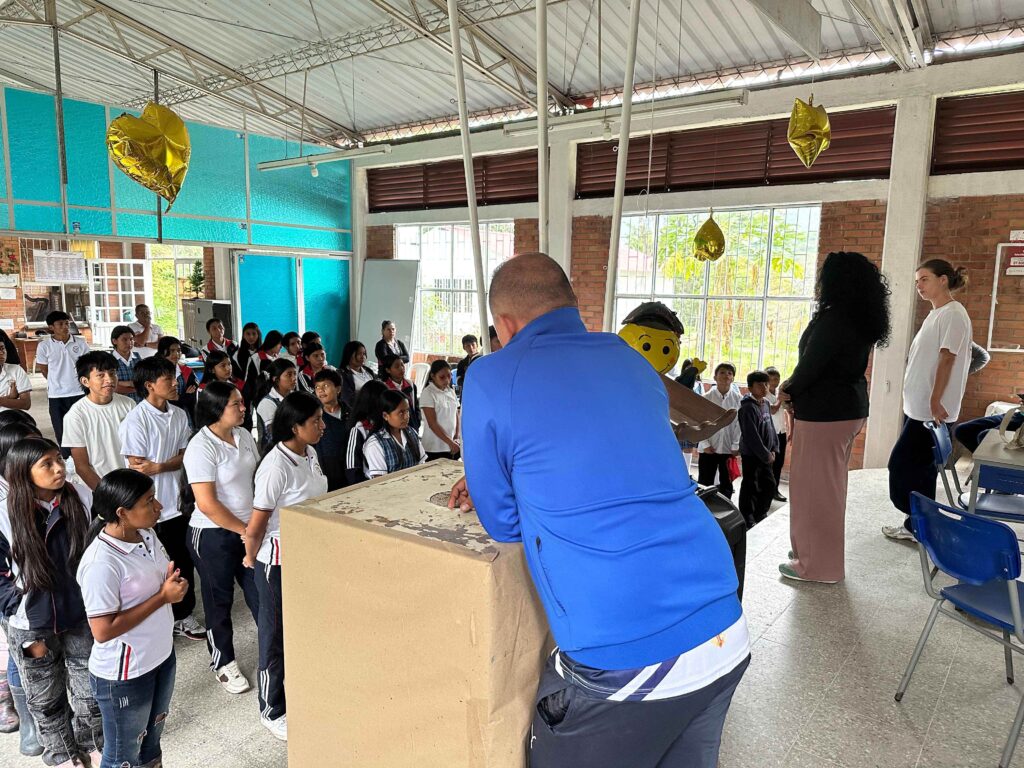
During our stay, we were once again actively involved in daily school life. In addition to teaching on-site, we provided school materials worth €800 to further improve learning conditions.
Intercultural exchange also played an important role: a school class from St.-Franziskus-Schule Koblenz created postcards and personal messages for the children in Milagros. These were handed over during our visit and created a direct connection between the students. Alongside this, we supported classes and contributed our own content, particularly in English lessons and personal development.
The volunteer program continues to grow: in recent months, another volunteer has been on-site, expanding the educational offering. Since March, Katherine from Colombia has joined the project for three months, bringing in new perspectives through her background in art and psychology.
Emotions as part of learning
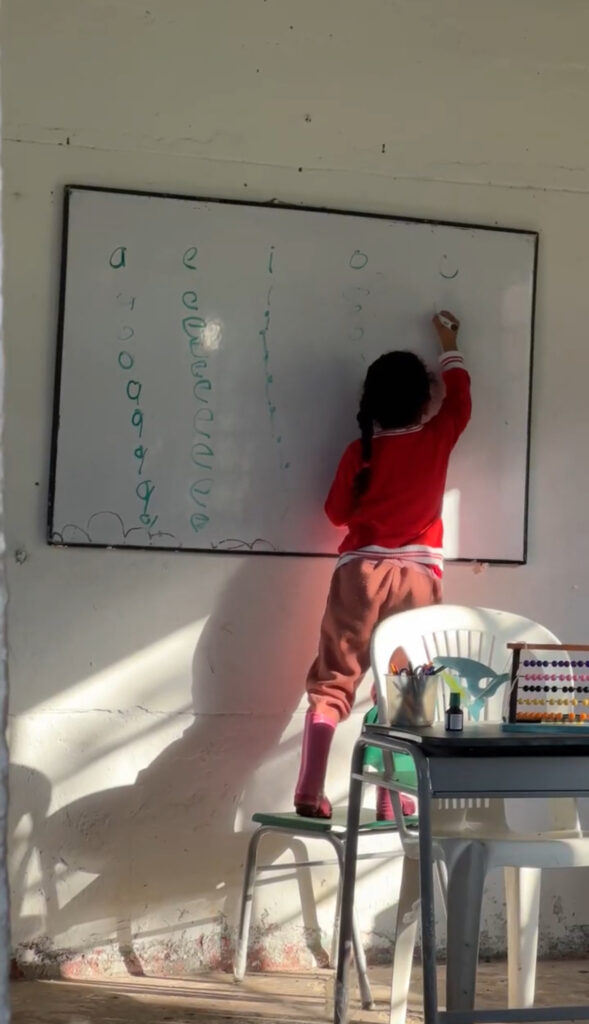
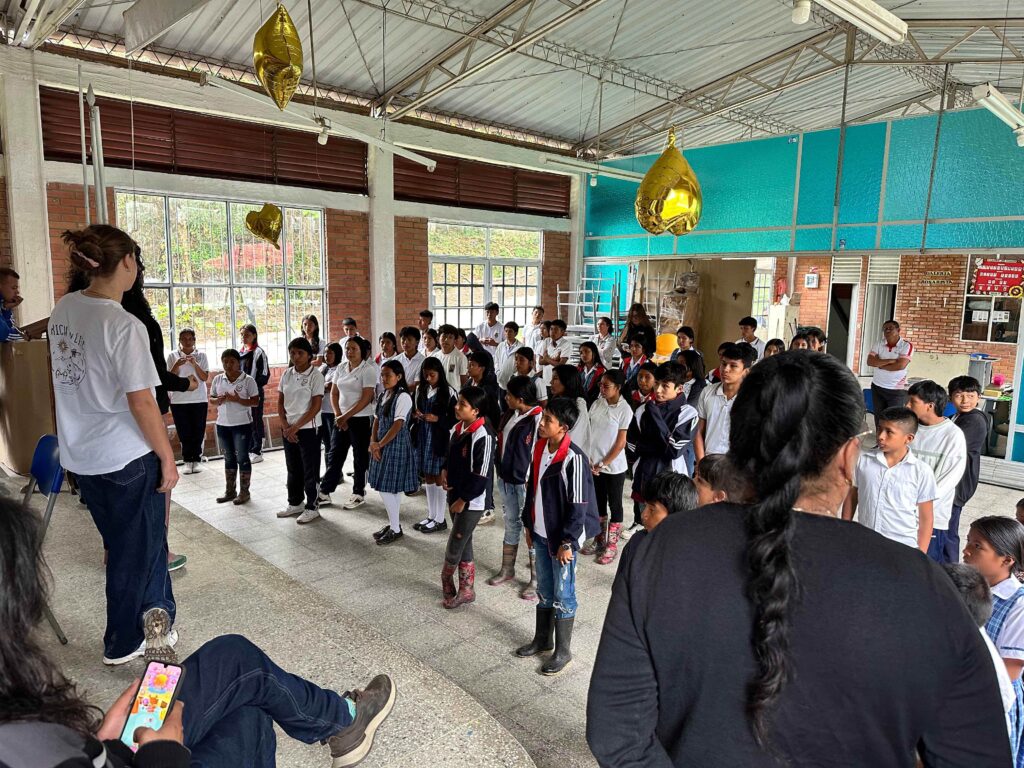
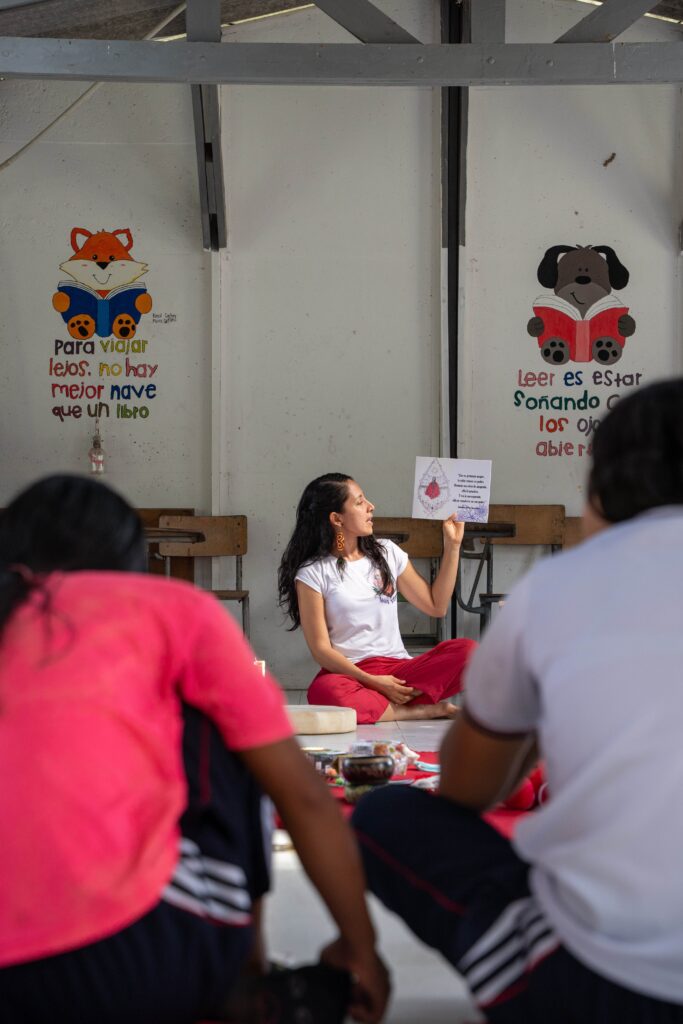
A central focus of this year’s visit was once again working with children on the topic of emotions. In an environment where many children take on responsibilities at an early age and where talking about feelings is not part of everyday life, this is not something that can be taken for granted.
Together with the children, we explored what it means to have emotions, why all feelings are valid, and why it is important to express them. A key aspect was creating a space where children felt comfortable sharing their thoughts and experiences.
One particularly meaningful activity was writing letters to one another, where each child expressed what they appreciate about someone else. While this initially felt unfamiliar and required time, it later became one of the most impactful moments of the day.
The children reflected:
“I feel seen.”
“I am not alone.”
“Others see things in me that I don’t see myself.”
These moments highlight the importance of emotional education.
Looking back: The impact of “Niñas Sabias”
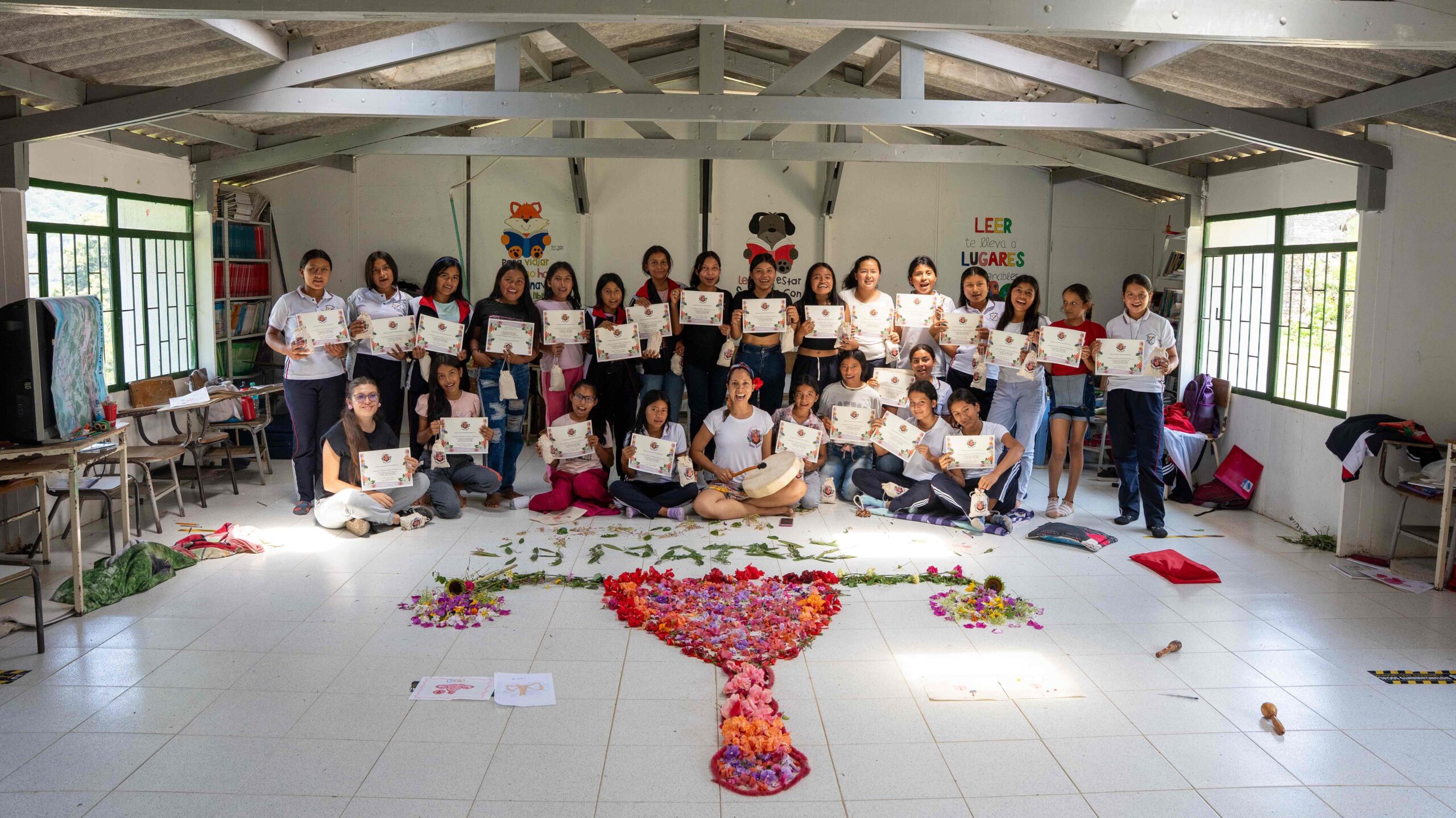
The impact of last year’s “Niñas Sabias” workshop was clearly visible during this visit. Both girls and mothers shared that their relationships with each other had changed and that they now communicate more openly about sensitive topics. Conversations about their bodies, personal experiences, and challenges have taken on a new level of importance.
Mothers also reported that they have begun to reflect more deeply on their own life stories. Many shared that the workshop provided a sense of healing and helped them better understand and process their experiences.
This has led to a clear intention: to give even more girls and mothers the opportunity to exchange, learn, and grow through spaces like these.
Expanding opportunities through volunteers
The volunteer program remains a key part of our work and continues to expand. Additional volunteers help introduce content that is often not covered in the regular school curriculum—whether it is English lessons, creative approaches, or topics related to personal development.
This not only broadens the children’s learning opportunities but also allows them to engage with people from outside their immediate environment. These interactions open up new perspectives and create meaningful impulses for their development.
What comes next
This year’s visit once again highlighted the importance of ongoing collaboration with the local communities and motivated us to continue developing existing projects while initiating new ones together.
A key focus will be the further development of the “Niñas Sabias” approach. We are planning additional workshops for girls as well as women’s circles for mothers, creating safe spaces for exchange and dialogue around topics that often remain unspoken in everyday life.
In addition, we are planning a workshop on respectful interaction with animals together with ABC Colombia. Many children have not yet learned how to treat animals appropriately. The goal of this workshop is to build awareness, empathy, and a sense of responsibility.
Documentary
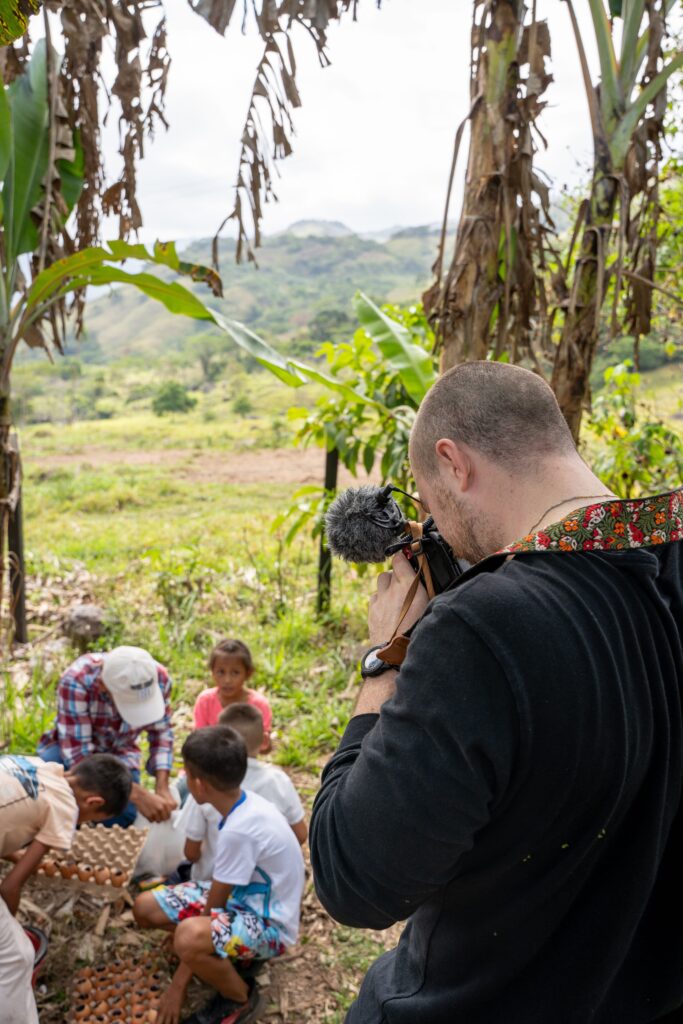
Another important part of our work is the documentary we filmed on-site last year, which will be released this year. It explores the question of what “being rich” means—especially in communities where material resources are limited.
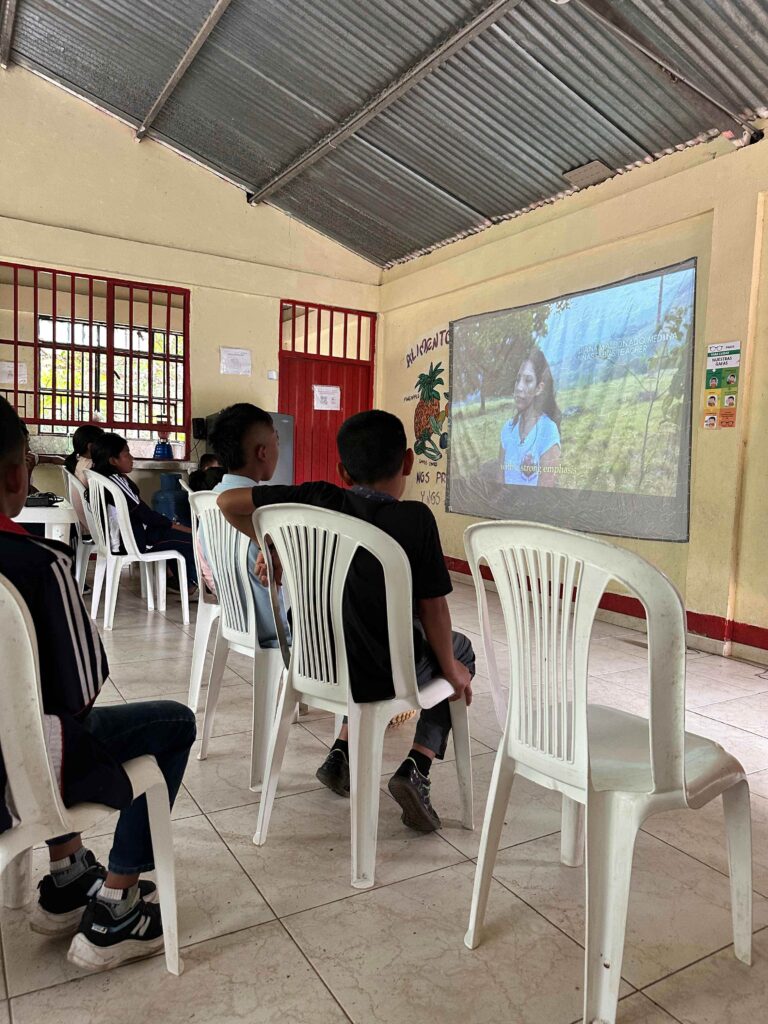
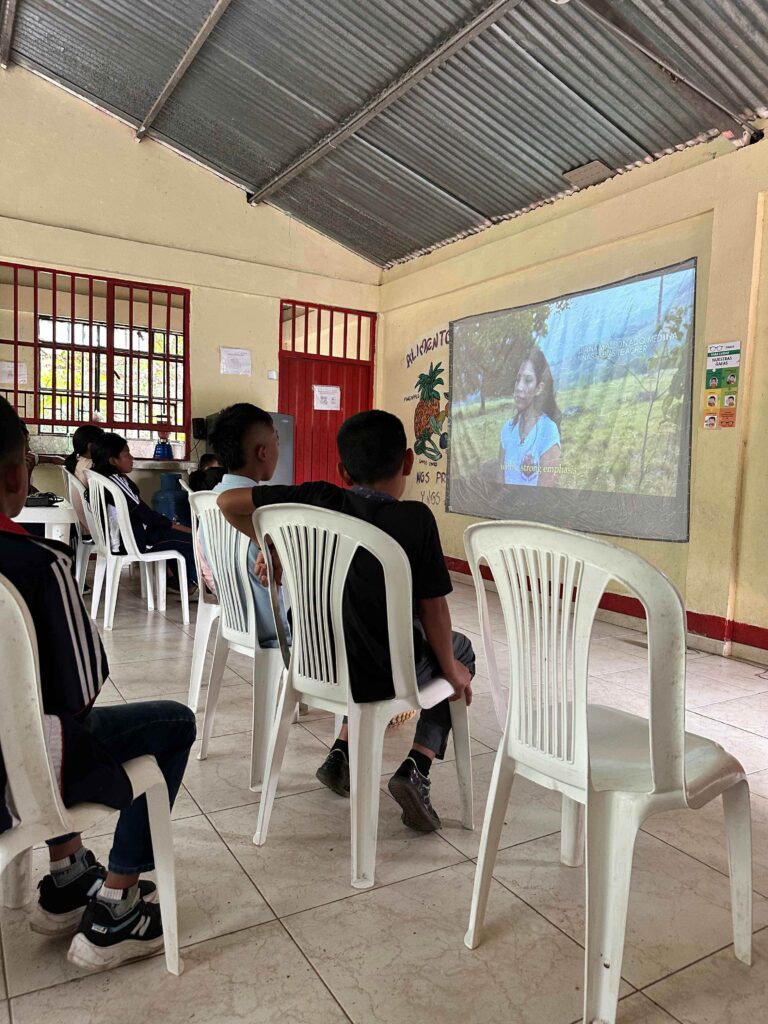
The documentary was first shown locally in the communities and project locations where it was created. This local approach is central to our work: the people whose stories are being told are the first to see the film. Their feedback is a crucial foundation for our work and at the same time a prerequisite for moving forward, as it ensures their trust and approval before a wider release.
Initial screenings have already taken place locally and received positive feedback from children, teachers, and families.
“For the first time, we feel truly seen”
To conclude, we would like to share a piece of feedback we heard multiple times during our visit: many children told us that, through our visits, they feel truly seen for the first time.
For us, this is a strong indication of how important consistent presence and collaboration on the ground are—and at the same time, a motivation to continue this work together.
Support our work and help create better educational and development opportunities for children on the ground.
Donate